

Procedures for Dealing with Insurance Companies When Your Insurance Claims Are Rejected
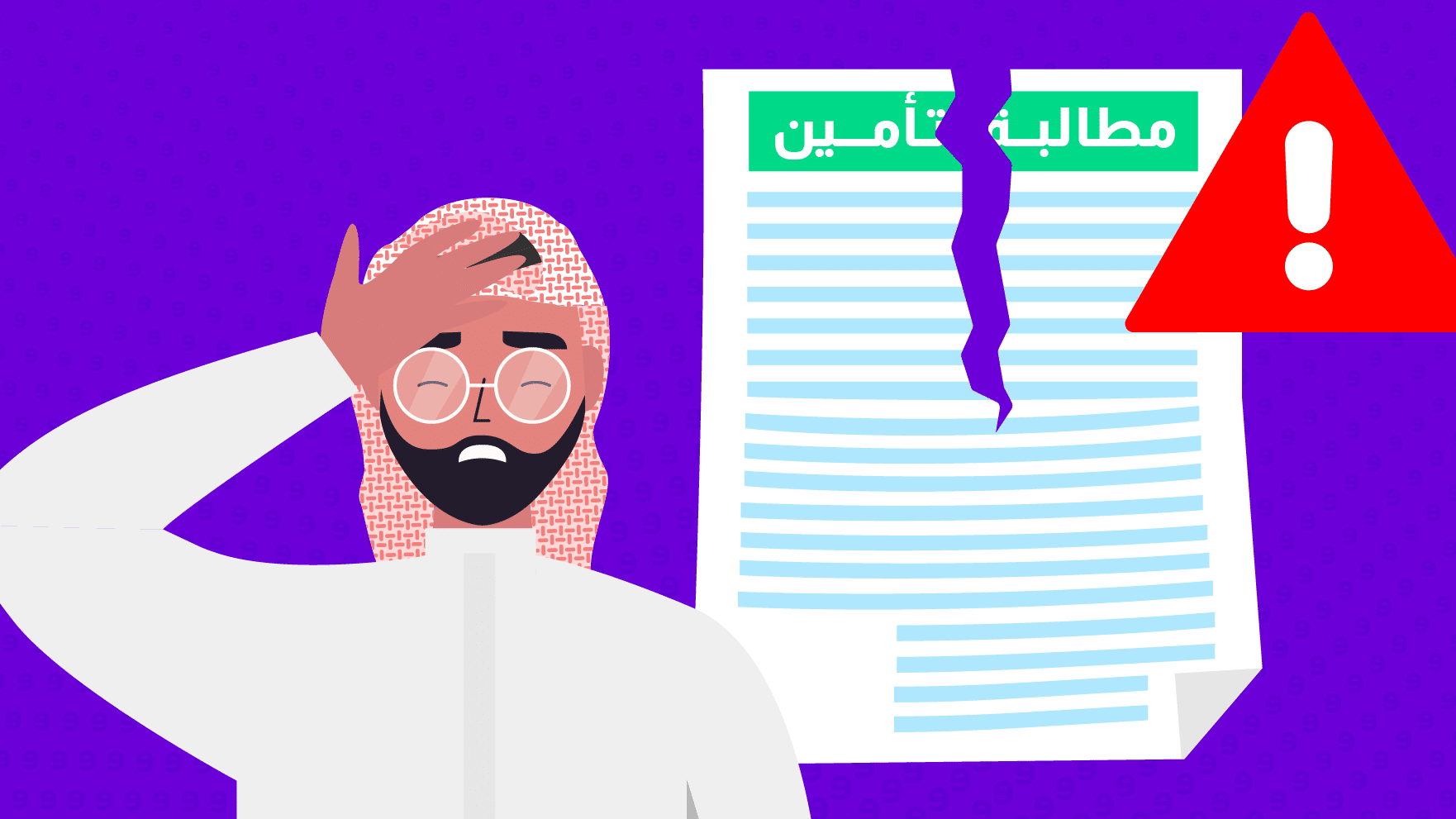
In an increasingly insurance-dependent world that aims to protect individuals and their assets, some customers may face challenges when their insurance claims are denied. Whether it relates to health insurance, motor insurance, or property insurance, having a clear understanding of your rights and the proper procedures is essential for effectively dealing with insurance companies and recovering your entitlements with confidence and clarity. This guide highlights the main reasons for claim rejections, available appeal mechanisms, and the relevant authorities that can be approached to ensure the protection of policyholders’ rights.
Main Reasons for Insurance Claim Rejection
Understanding the common reasons behind claim denial is crucial to avoid them and handle claims properly. The most frequent reasons include:
- Mismatch with policy terms and conditions: Coverage varies from one policy to another, and claims may be rejected if the incident is not covered under the policy.
- Inaccurate or incomplete information: Any error or missing data during policy issuance or claim submission may lead to rejection.
- Late claim submission: Insurance companies usually set a specific timeframe for submitting claims, and missing this deadline can result in denial.
- Policy exclusions: Some policies include specific exclusions, such as damages caused by negligence or certain natural disasters.
- Missing supporting documents: Failure to provide required documents such as medical reports, accident reports, or invoices may result in claim rejection.
What to Do When Your Insurance Claim Is Rejected
If your claim is denied, you can follow these structured steps to improve your chances of a successful review:
- Carefully review the rejection reason: Examine the denial letter and compare it with your policy terms to understand the basis of the decision.
- Verify all submitted documents: Ensure that all information and supporting documents are complete and accurate.
- Request a reconsideration from the insurance company: If you believe the rejection is unjustified, submit a formal appeal supported by evidence.
- File a complaint with the relevant regulatory authority: If the insurer does not respond or you remain dissatisfied, you may escalate the issue through official channels.
- Refer the case to insurance dispute resolution committees: These are the authorized bodies responsible for resolving insurance disputes and ensuring fair outcomes.
Tips to Improve Your Chances of Claim Approval
- Carefully read the insurance policy before signing to fully understand coverage and exclusions.
- Submit all required documents accurately and completely from the outset.
- Report incidents or claims promptly without delay.
- Keep all related documents, reports, and invoices for reference.
- Use official channels when submitting complaints or appeals.
Conclusion
A rejected insurance claim is not necessarily the end of the road; rather, it is a situation that can be addressed through a clear understanding of policy terms and adherence to proper procedures. By communicating effectively with the insurance company and relevant authorities, policyholders can improve their chances of reconsideration and secure their rightful compensation with fairness and transparency.